Yandex Plans Humanoid Delivery Pilot to Carry Packages Past the Building Door
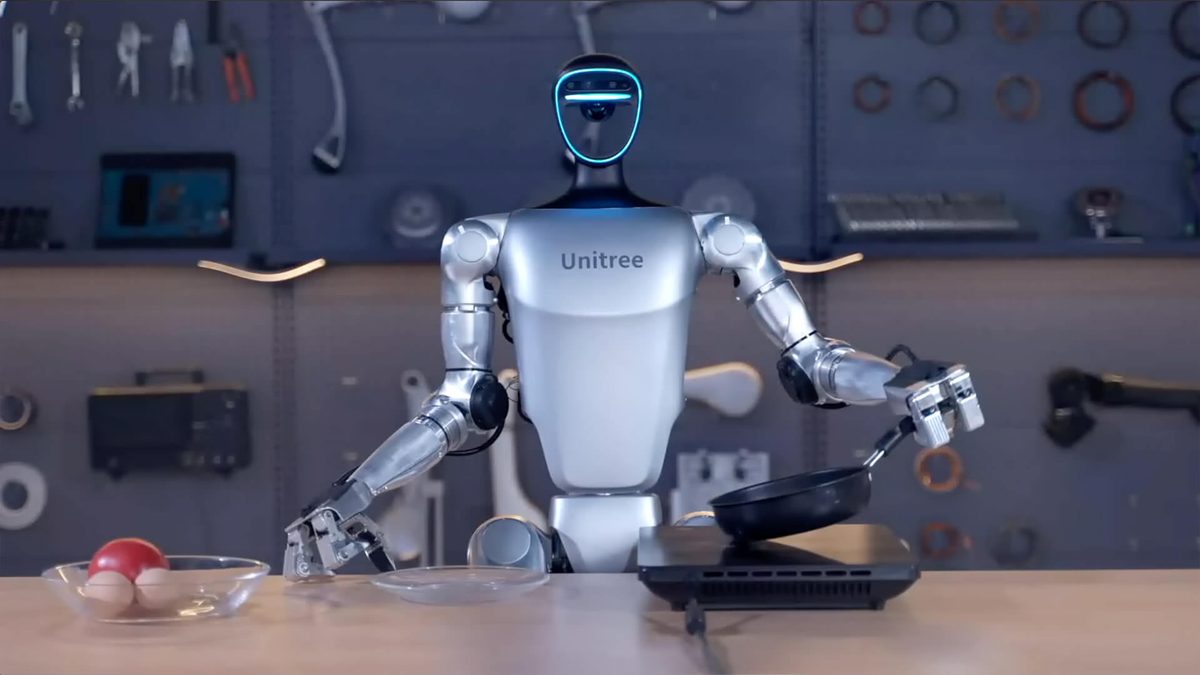
A wheeled rover would bring orders to the building entrance and hand them to a humanoid for the trip inside, in a pilot at about four locations.
Yandex is preparing a pilot that pairs its wheeled delivery rovers with humanoid robots, with the first tests targeted to start by the end of 2026. A rover would carry an order through the streets to a building entrance, where a humanoid would take over, carrying the package inside and up the stairs to the recipient. Kommersant reports the plan, citing two people in the IT industry, and says the first stage would cover about four locations.
The handoff targets the exact point where wheeled delivery stops. Rovers handle pavements, courtyards and predictable streets, but thresholds, doors and stairs block them. Yandex's rovers have carried commercial orders since December 2020, starting in Moscow and Innopolis, and now run in more than ten Russian cities. The fleet stood at about 1,000 machines in the second quarter of 2026, completing more than 260,000 deliveries in that period, and Yandex plans to expand it to 20,000 robots by the end of 2027.
The humanoid half of the system is Yandex's own software. The company said in spring 2025 that it would build software for humanoid robots, and in autumn 2025 it showed Leshy OS, its humanoid control system, running on Unitree's G1, a compact research platform about 132 centimeters tall and weighing about 35 kilograms. Leshy OS is meant to give the machine the perception, planning and movement skills the delivery job needs, while the G1 supplies the body: actuators, sensors and balance.
Yandex itself is confirming far less than the report describes. Its press service said only that the company is testing deliveries from rovers to employees' workplaces, and that it would share further plans separately. Experts quoted in the report called the project a technology pilot rather than a commercial service, one calling it a branding exercise, and pointed to high operating costs, limited carrying capacity and safety questions. The G1 can lift about 1.5 kilograms per hand, and one source said more than a year will pass before humanoids appear on the street.
The caution is the point. Delivery is becoming a proving ground for humanoids precisely because the last stretch of the job is the hardest part, and a four-location pilot is a way to learn the handoff, between two very different machines and between a robot and a recipient, before promising a service. If the pilot runs, it will test whether a humanoid can close the one gap in robot delivery that wheels cannot: the stairs.