U.S. Visa Denials Hit XPeng and Engine AI Engineers Ahead of CES 2027
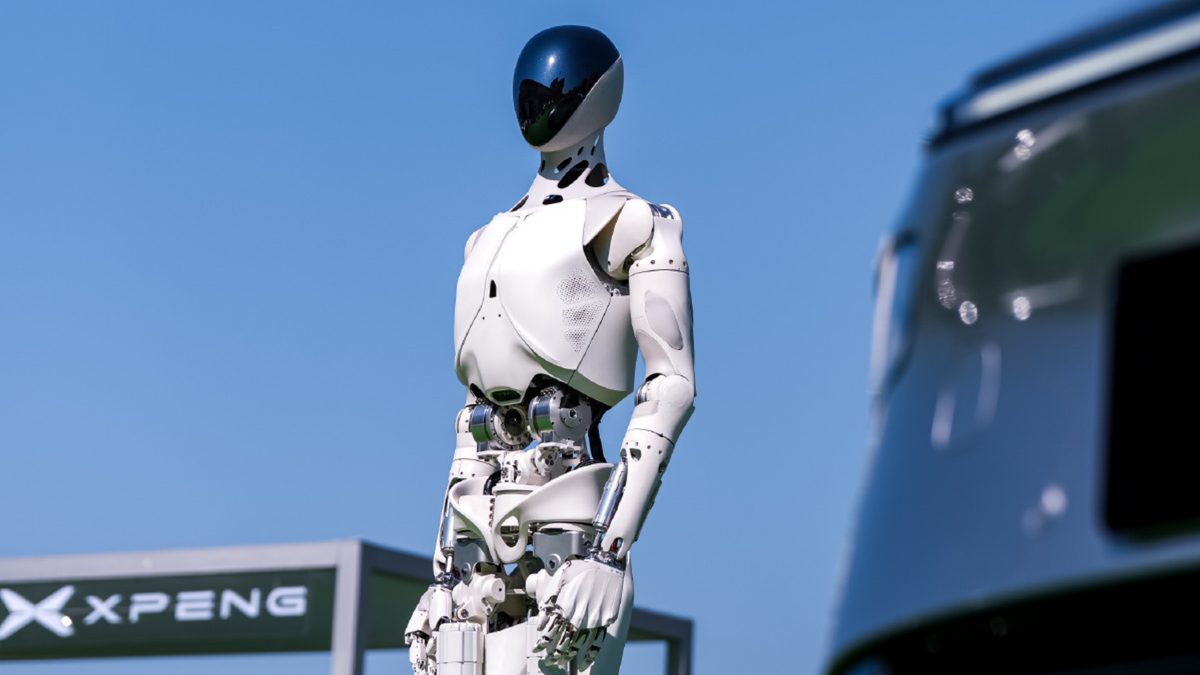
Technical staff at Chinese humanoid makers were refused U.S. visas before the Las Vegas show, leaving one startup to pull out entirely.
Researchers and engineers at several Chinese humanoid robot makers, including XPeng and Engine AI, have been denied U.S. visas ahead of CES 2027, Nikkei Asia reported on November 19, citing sources familiar with the applications. The refusals come weeks before the show opens on January 6 in Las Vegas, where Chinese humanoid makers typically stage live demonstrations for American retailers, investors and partners.
The pattern is specific. Marketing staff are mostly getting through; technical staff are not. One Chinese robotics startup withdrew from CES entirely after all 15 of its technical staff were rejected, according to the report.
Nikkei ties the rejections to tighter U.S. scrutiny of technology transfers on national security grounds. Analysts cited in the report called such CES visa denials unprecedented and a signal of further deterioration in U.S.-China relations. The report does not say whether XPeng or Engine AI will change their CES plans, send replacement staff, or exhibit without the engineers who were denied visas, and it does not disclose how many applications were refused in total.
The timing is awkward for XPeng in particular. Its IRON humanoid walked off an automated production line in Guangzhou in October, and the company has said mass production will begin by the end of 2026, with deliveries in 2027. CES is the stage where that hardware meets the American buyers and partners who would put it to work. A booth staffed by marketers, without the engineers who built the machine, can show the robot but cannot answer the technical questions that close a deal.
Visa policy is now a show-floor variable. Chinese humanoid makers have made CES their main stage for reaching the U.S. market, and the companies that can put their engineers in the room will have an edge over the ones that cannot. For the rest of the field, the January show will be a test of how much a humanoid can sell itself when the people who know it best are watching from home.