Tesla supplier filing: Optimus design nearly final, mass production cycle about to begin
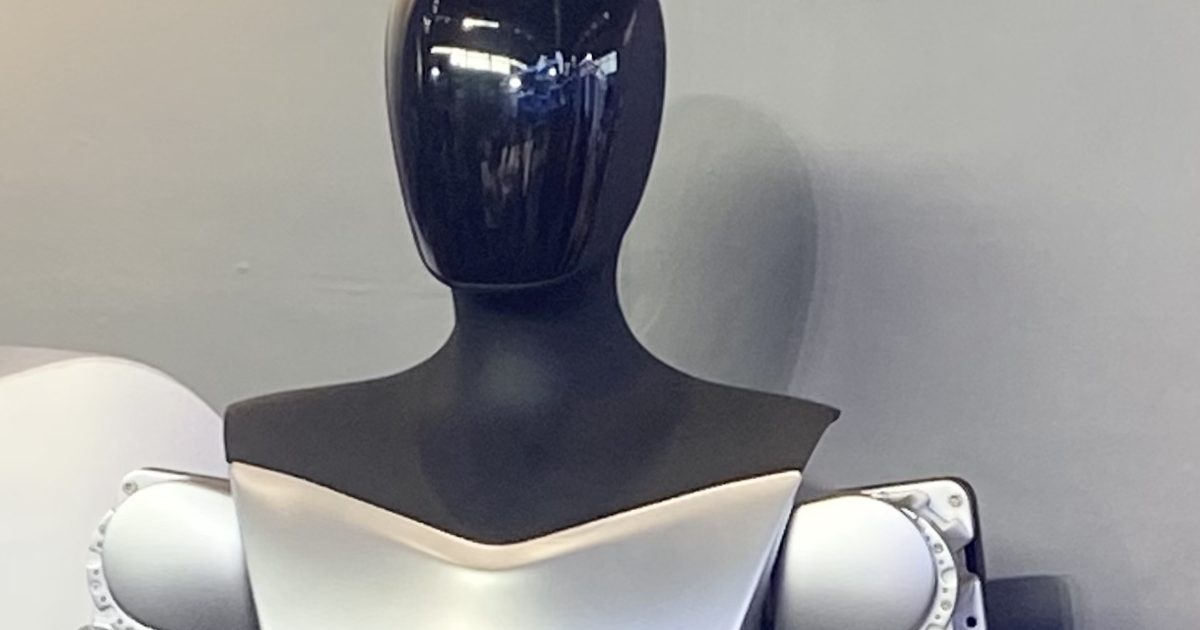
A ChiNext IPO filing from Tesla supplier Xinjian Transmission says the Optimus design is nearly locked, with V3 mass production targeted by year-end.
A key Tesla supply-chain company has told Chinese regulators that the Optimus hardware design is nearly finalized and about to enter its mass-production cycle, adding fresh detail to the humanoid's long march toward volume manufacturing. Xinjian Transmission, which makes ball screws, linear-drive joints and dexterous-hand linear actuators, disclosed the status in its written reply to the ChiNext board's IPO review inquiry, published on the evening of October 12.
The filing sketches the production roadmap now on the table: the current Optimus V3 design is in presentable form, with mass production planned before the end of 2026. Tesla has been converting the former Model S and Model X vehicle line at its Fremont factory to build the V3 machine, with a stated long-term capacity goal of one million units a year; that conversion is already underway. A dedicated Texas factory is in preparation, with construction expected to start in 2027 and a long-term goal of ten million units a year.
The disclosure lands alongside a familiar warning from Elon Musk: the dexterous hand remains the program's hardest bottleneck. The V3 hand carries 22 degrees of freedom, uses a tendon-driven transmission and adds tactile sensing; the hand and forearm are packed with miniature ball screws, coreless motors and sensors that make up roughly a fifth of the robot's value — and are the most difficult part of the machine to assemble. Much of that assembly is still done by hand, and some automated stations have yet to hit the precision and consistency the line needs. Musk has called Optimus the most difficult product Tesla has ever attempted to mass-produce, noting that nearly every component is new and much of it has to be built in-house for lack of an existing supply chain.
Tesla itself is saying little. Asked about the supplier's claims on October 14, the company said it had no official information to share and pointed to its official channels. The filing's figures therefore stand as supplier disclosures rather than Tesla statements — but they line up with pieces already on the record: the Fremont line conversion, the reported goal of 1,000 units a week by year-end, and Musk's recent admission that China's magnet export curbs cost the program months.