Model L: Somnia Lab's AI intimacy robot and sex partner, in four tiers up to 89 DoF
Somnia Lab published specs for Model L, its AI intimacy robot and sex partner, with deposits from $300 — but the viral video shows no robot at all.
Somnia Lab has published the full specification sheet for Model L, its first intimacy robot, built as an AI sex partner, and opened refundable deposits from $300 — while the video that set off a week of viral coverage shows no robot at all. The Hong Kong startup promises first deliveries in late 2027, at a final price it has not announced.

The spec sheet lists four tiers. The entry Model L Basic stands 165 cm tall and weighs 22 kg, with 26 degrees of freedom across head and body, body heating held at 30 to 37 °C in key areas, and no facial expressions. The Pro, at $500, adds intent recognition, a power-assisted free mode, four facial expressions and a three-hour runtime. The Pro Max, at $2,000, grows to 170 cm and 45 kg, with 50 degrees of freedom, full-body heating at 37 °C, eight facial expressions and a four-hour runtime. The made-to-order Founder Edition tops the range at 175 cm and 55 kg, with 89 degrees of freedom and 12 facial expressions. Every tier carries touch and force sensors, binocular cameras in the eyes, a built-in speaker, and voice and app control.

Model L does not walk, and the company says that is deliberate. Walking and dexterous hands add weight, noise, power draw and cost during close physical contact, so the first generation spends its engineering budget on controlled movement, body responsiveness, sensing, warmth, voice and memory instead. The robot moves through its head, torso, arms and hips, takes commands by voice, app or hand, and, the company says, can hold more than 100 positions, with more arriving through over-the-air updates. The original pitch promised 165 positions.
A prototype shown in late October stands about 1.75 metres tall and weighs about 20 kilograms, built around a 24-degree-of-freedom metal skeleton, 3D-printed TPU muscle layers and a water-based polyurethane skin with temperature regulation. The company says a one-hour charge supports about three hours of high-intensity motion or four hours of sustained postural support, and plans pilot experiences in Hong Kong by the end of the year. Somnia Lab says it completed a $10 million angel round in April, without naming investors, and its founder cites a global intimate-products market of about $70 billion.
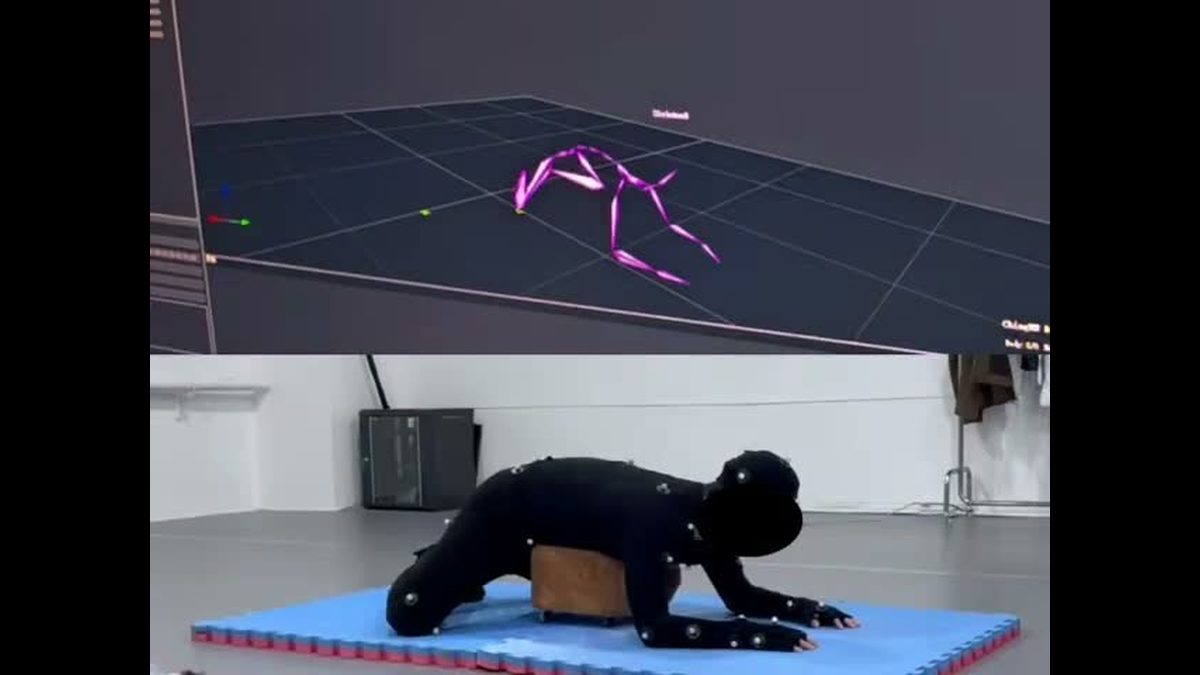
The clip that drove the story shows a motion-capture session, not a robot: a performer in a marker suit on a blue mat, with a pink digital skeleton mirroring every movement on screen above. Posted on August 25, it passed a million views within hours and was picked up by RT and IBTimes UK, where the technical context fell away and only the sex-robot headline remained. The footage was captured with a Chingmu optical motion-capture rig, the standard tool for turning a real body's movement into data. A memecoin called $SOMNIA has also appeared using the company's name; Somnia Lab has said it has no affiliation with the token and never issued one.
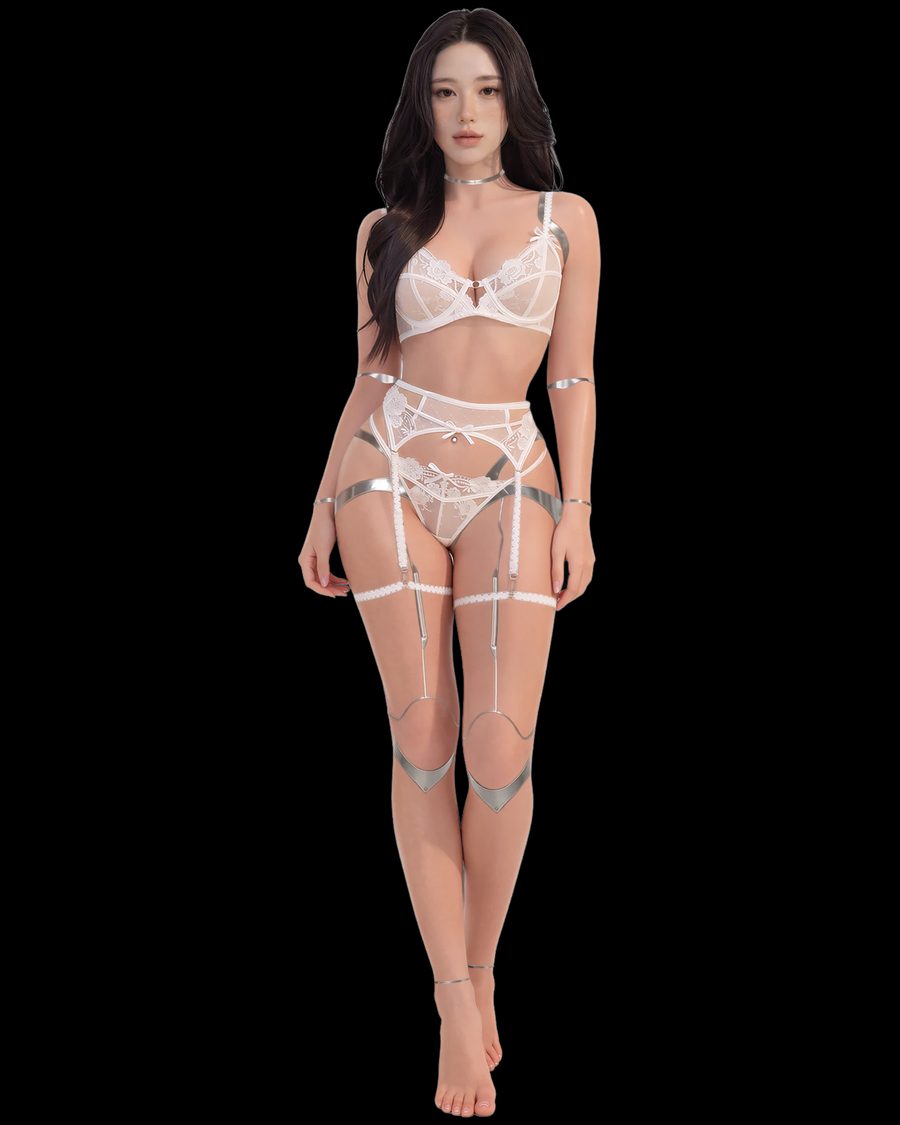
What exists today is a spec sheet, a deposit page and motion-capture data. The imagery circulating with the story is largely renders, and no independent test of a finished robot exists, because there is no finished robot yet. The question is not whether the specs are ambitious — they are — but whether a startup can turn a motion-capture library into a shipping product by late 2027.