Musk: China's magnet curbs set Optimus back months — ‘we had robots with no arms’
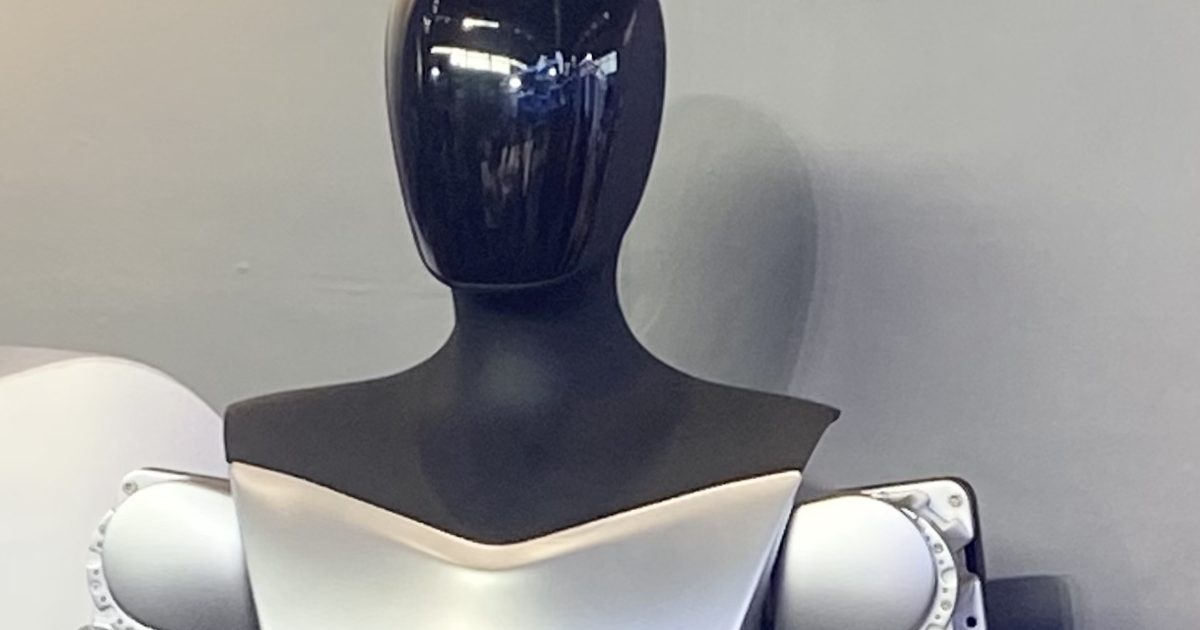
Musk says China's magnet curbs set Optimus back two to three months — 'we had robots with no arms' — and the hand is still Tesla's hardest problem.
Elon Musk has revealed that China's export controls on magnets used in electric motors set Tesla's Optimus program back “like two or three months.” Speaking to Tesla Owners Silicon Valley at the X Takeover event at Giga Texas, Musk said the restrictions cut off the magnets needed for the motors driving the robot's arms: “We had robots with no arms.”
The disruption is not new. Musk disclosed on Tesla's first-quarter 2025 earnings call that Optimus production was being affected by China's rare-earth magnet export licensing, with Beijing seeking assurances the magnets would not be used for military purposes. The curbs cover neodymium-iron-boron magnets, which are essential for the compact, high-efficiency motors packed into a humanoid's joints.
Beyond the supply chain, Musk acknowledged that the hand remains one of Tesla's biggest engineering hurdles. “One of the hardest things also generally is to do precision and force at the same time,” he said. Tesla has been working on a redesigned hand for the next Optimus generation, and published patents point to a tendon-driven system aimed at improving dexterity and control.
The admission lands as Tesla pushes Optimus toward volume production. The magnet episode shows how exposed even the most vertically integrated humanoid program is to a single chokepoint material — and the hand comment confirms the industry's open secret: getting robots to walk is largely solved, getting them to manipulate the world like people do is not.