China's MIIT Rolls Out Five Humanoid Industry Standards, With an L0–L5 Capability Scale
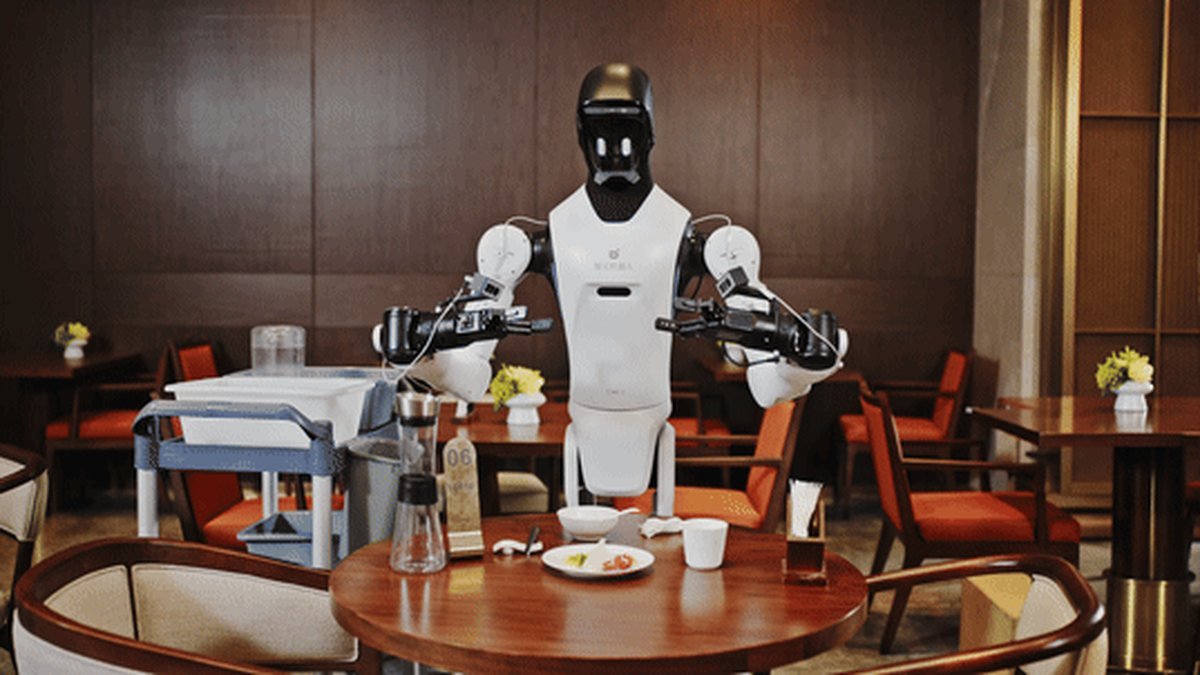
China's industry ministry issued five humanoid industry standards, including an L0–L5 intelligence scale and rules for training grounds and data.
China's Ministry of Industry and Information Technology has issued five industry standards for humanoid robots, including a six-level intelligence grading scale and rules covering training grounds and training data. The standards took effect immediately on November 16, under Announcement No. 30 of 2026, which approved 274 industry standards across sectors. The humanoid standards are administered by the ministry's Humanoid Robot and Embodied Intelligence Standardization Technical Committee, known as MIIT/TC8.
The centerpiece is the intelligence capability grading standard, which rates a humanoid from L0 to L5 across four dimensions: perception, decision learning, motion execution, and collaborative interaction. The scale gives the industry a common yardstick for comparing machines, in the same way autonomous-driving levels gave carmakers and regulators a shared language.
Two of the standards cover the hardware that has slowed system integration: electric-drive integrated joints, which set interface specifications, performance indicators, and test methods for torso and leg joints; and humanoid dexterous hands, which establish common technical specifications for an industry where incompatible interfaces have held back whole-machine assembly.
The other two govern the data pipeline. The training ground construction standard, SJ/T 12353-2026, sets requirements for space layout, equipment, data collection, network communication, and safety at robot training sites. The training data management standard, SJ/T 12354-2026, covers the full lifecycle from data collection and annotation through quality evaluation, circulation and sharing, to secure destruction, with unified storage formats and annotation rules, plus requirements on data security, personal information protection, and traceability.
The five industry standards follow the country's first six national standards for humanoid robots, published in September and taking effect on April 1, 2027, which set technical requirements for general principles, perception, decision and planning, motion control, and manipulation, plus a simulation testing platform. Both sets sit under the standards framework the ministry published in February 2026, the country's first top-level design for the field.
The market the standards land in has more than 140 whole-machine manufacturers, and output passed 40,000 units in the first half of 2026, with more than 400 models and full-year output expected to pass 100,000. For buyers, insurers, and regulators, a shared grading scale and common data rules turn a fragmented market into something that can be measured and compared, and the data standard sets the terms for the training-data trade already taking shape around China's training grounds.