LG Electronics Joins Korea's Robot Institute to Certify Humanoid Safety Ahead of 2027 Debut
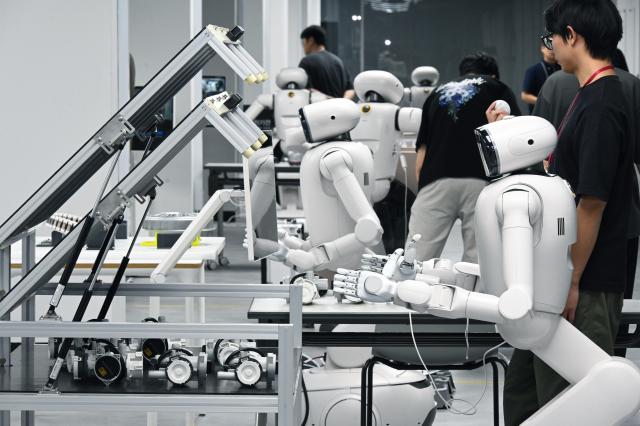
LG will help build Korea's humanoid safety certification system and seek pilot certification for its CLOiD robots.
LG Electronics has signed an agreement with the Korea Institute for Robot Industry Advancement to build safety and usability standards for humanoid robots, putting certification in place before its own bipedal machine reaches the public. The memorandum of understanding was signed on November 13 at LG Twin Towers in Seoul, with KIRIA President Cho Young-hoon and Kim Chang-min, executive vice president of LG's Quality Management Center, attending the signing.
Under the agreement, LG will help design the evaluation system for KIRIA's Humanoid Robot Safety Certification Center and take part in developing international and national standards for humanoid robots. The company also plans to pursue pilot safety certification in South Korea for its humanoid robots, including the CLOiD series.
The timing is deliberate. LG is developing a bipedal humanoid built on Nvidia's reference platform and plans to unveil it in the first quarter of 2027. The safety work is meant to give the robot verified credentials before commercialization, not after it.
Humanoids are built to work beside people, in homes and on factory floors, and dedicated safety rules for the machines are still being written. LG framed the partnership as a way to verify safety technology with a specialist institution and build trust early, as the market for humanoid robots expands. "Through our collaboration with KIRIA, we will proactively enhance the safety and quality competitiveness of humanoid robots," Kim said, adding that LG aims to position itself "as a trusted robot brand that customers can confidently use in the global humanoid robot market."
LG is building its robotics business around physical AI, combining robot platforms, intelligence, and data. The company makes key components such as actuators in-house and runs the LG Data Factory, a dedicated facility where CLOiD robots repeat household and factory tasks to generate the training data the machines need. CLOiD, a wheeled home robot with two seven-degree-of-freedom arms and five-fingered hands, debuted at CES 2026 in January; the bipedal robot now in development is a separate machine built with Nvidia.