LG quintuples robot training data goal, targets home humanoids by 2030
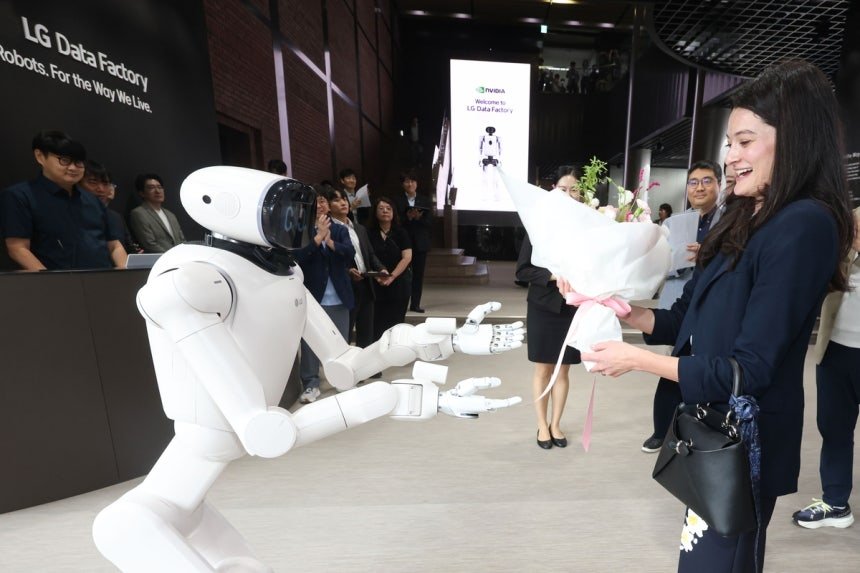
LG Electronics raised its 2026 robot-training data goal fivefold to 500,000 hours and set 2030 for its move into home humanoids.
LG Electronics has put a date on its home humanoid ambitions and sharply raised the data target behind them. On its third-quarter earnings call, the company said it plans to enter the home humanoid market in 2030, after establishing itself in manufacturing and logistics robots first. It also raised its 2026 robot-training data goal fivefold, to a cumulative 500,000 hours by the end of the year, up from the 100,000-hour target it set in August.
The data will come from the LG Data Factory, a 10,000-square-meter robot training facility at LG's Yangjae research campus in Seoul. The factory is already accumulating data ahead of full-scale operation in the fourth quarter, and LG is building it with Nvidia as its physical AI partner, combining real-world robot data with simulation, world models, and robot development platforms. The goal, in LG's words, is a virtuous cycle in which real and virtual data improve each other.
The sequencing is deliberate. LG said it will secure leadership in manufacturing and logistics markets first, then expand into home humanoids in 2030, and that reaching a price consumers can realistically afford is the key factor for the home market. It is preparing robots and form factors designed for the most natural entry into the home, rather than adapting an industrial machine. A bipedal humanoid developed with Nvidia is targeted for unveiling in the first quarter of next year.
The nearer-term work is components and infrastructure. LG built an actuator pilot line in Changwon in the first half of the year and is carrying out production preparations, including equipment automation, in the second half, with actuator mass-production infrastructure under development. Selling training data or paid testing services to outside customers remains a medium- to long-term possibility; the stated priority now is improving LG's own robots.
Both headline numbers are targets, not results. The 500,000 hours is data LG aims to accumulate by year-end, and 2030 is a market-entry plan, not a product launch. What is concrete is the direction: a home appliance giant treating robot training data as the asset to build first, and using its factory and logistics business as the proving ground before asking consumers to bring a humanoid home.