USTR Puts Robotics on Its Section 301 List as It Proposes Tariffs of Up to 20% on Chinese Goods
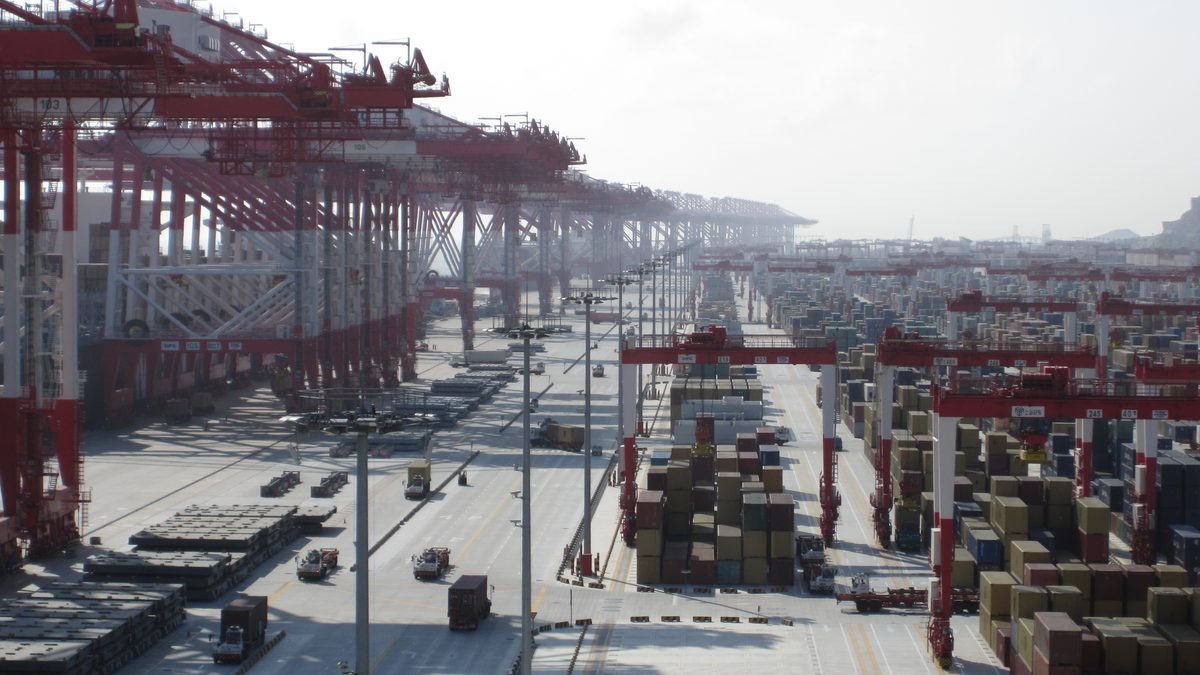
Fourteen economies face proposed duties in a sweeping excess-capacity case; robotics is named in the China findings, and comments are due January 5.
The United States Trade Representative has named robotics in a sweeping trade action that could raise the cost of humanoids and robot parts entering the United States. On November 25, the agency issued affirmative determinations in 14 investigations under Section 301 of the Trade Act, finding structural excess capacity in manufacturing, and proposed additional duties of up to 20% on goods from China, up to 15% on goods from the European Union, Japan, South Korea, Switzerland and Taiwan, and up to 35% on goods from Vietnam. Robotics appears in the list of sectors covered by the China findings, alongside semiconductors, machine tools, batteries and automotive goods, and among the sectors highlighted for Japan.
The case has been building all year. The Trade Representative opened investigations into 16 economies on March 11, 2026, held public hearings from May 5 to 8 at which nearly 140 witnesses testified, and has now ruled on 14 of them; determinations for Mexico and Norway remain deferred. In each case the agency found that the economy's practices burden or restrict US commerce - cutting opportunities for American producers, costing production, exports and jobs, and raising economic security risks. The proposed duties are not yet in force: written comments and requests to appear at the hearings are due January 5, 2027, with hearings starting January 25, 2027, and the agency has also proposed higher fallback rates on 11 of the 14 economies if consultations fail.
For the robotics industry, the exposure runs through China first. Chinese vendors built the overwhelming majority of humanoids shipped worldwide this year, and the supply chain for motors, gearboxes, sensors and batteries runs heavily through Chinese factories. A duty of up to 20% on Chinese goods would apply broadly, subject to product exemptions set out in annexes to the notice, raising the landed cost of both finished robots and the components inside them. Duties of up to 15% on goods from Japan, South Korea and the European Union would reach the other major robotics manufacturing bases as well.
The timing sharpens the impact. Chinese humanoid makers are moving from demonstration to volume production in 2027, with mass-production lines starting in January, and American buyers have been weighing Chinese machines against higher-priced Western alternatives. A tariff wedge would change that arithmetic - and push assemblers to shift sourcing, seek exemptions, or absorb the cost while the comment process runs. The proposals also arrive after the Supreme Court struck down an earlier set of tariffs in February 2026, which the new Section 301 action is designed in part to replace.
What happens next is procedural, but the direction is set. Companies with exposure have until January 5 to file comments and request a hearing slot, and the product annexes will decide which robotics goods are exempt and which are not. Until the final action is published, the proposal functions as a warning to supply-chain planners: the cheapest humanoid on the market may not stay the cheapest once it crosses the border.