Tesla builds its first production-quality Optimus humanoids in Fremont
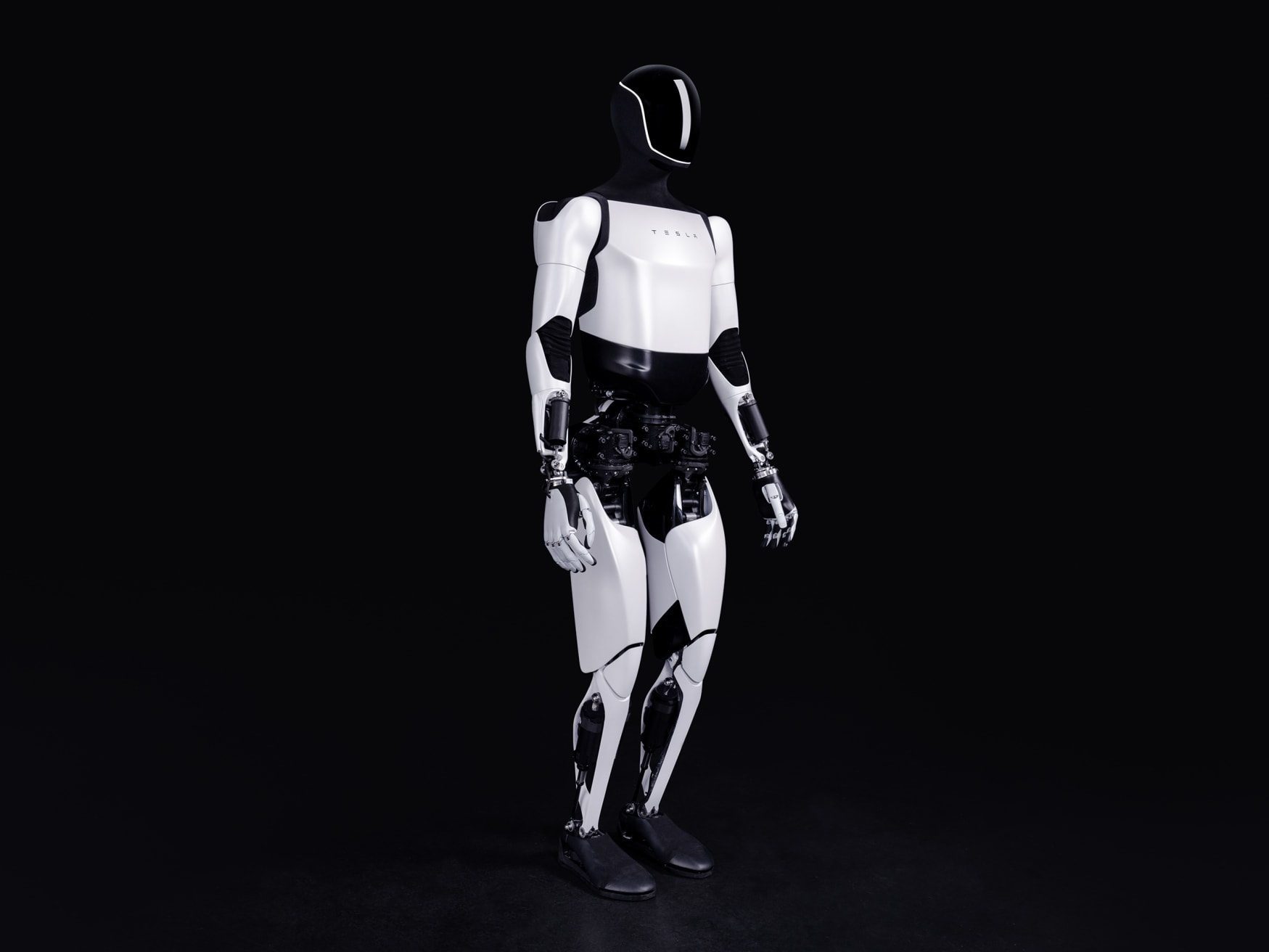
Tesla's first production-quality Optimus humanoids roll off its high-volume Fremont lines - process now deemed fit for a commercial product.
Tesla has started building Optimus humanoid robots on its high-volume production lines in Fremont, California. In its third-quarter 2026 shareholder update, published after the market closed on October 21, the company said the robots coming off those lines are the first production-quality units it has ever manufactured. "Optimus production began in Fremont on our high-volume lines," Tesla wrote. "The bots coming off this line are the first production-quality bots that we have manufactured."
The company also claims the manufacturing process itself has reached commercial readiness. "While we will continue to iterate on the hardware and manufacturing process, we have proven that the current manufacturing process for Optimus is suitable for a commercial product," Tesla said. Optimus now appears twice in the deck's installed-capacity table: California is listed as "Early Ramp," while Texas is marked "Construction" - factory and infrastructure buildout plus tool installation. Neither row carries a capacity number, unlike the vehicle and energy lines in the same table.
On the earnings call, CEO Elon Musk described the Fremont output as "early production" and cautioned that the ramp would be slow and "somewhat bumpy because it is such a radically new product." He nonetheless told investors Tesla could reach a rate of 20,000 units per week by the end of 2027, and repeated his conviction that "Optimus will be the biggest product on Earth." Musk also said Tesla is building an "Optimus Academy" where the robots can practice a wide range of tasks - noting that, unlike its car fleet, the company has no vast fleet of robots from which to gather training data.
The milestone caps a year of preparation. In January, Musk said Model S and Model X production would be discontinued so their Fremont floor space could be converted for the robot, with a stated goal of one million Optimus units a year from the California plant. By the second quarter, the S/X assembly lines had been decommissioned, with early builds going toward data collection. Construction of a dedicated Optimus factory on the Giga Texas North Campus began in late March.
The production milestone landed alongside mixed quarterly numbers: third-quarter revenue of $28.05 billion was roughly flat year over year, while GAAP net income fell 43 percent to $787 million as spending on AI, Optimus and autonomous driving climbed. Tesla delivered 486,532 vehicles in the quarter, down about 2 percent from a year earlier.