Teledroid Reaches the Space Station as Progress MS-36 Docks
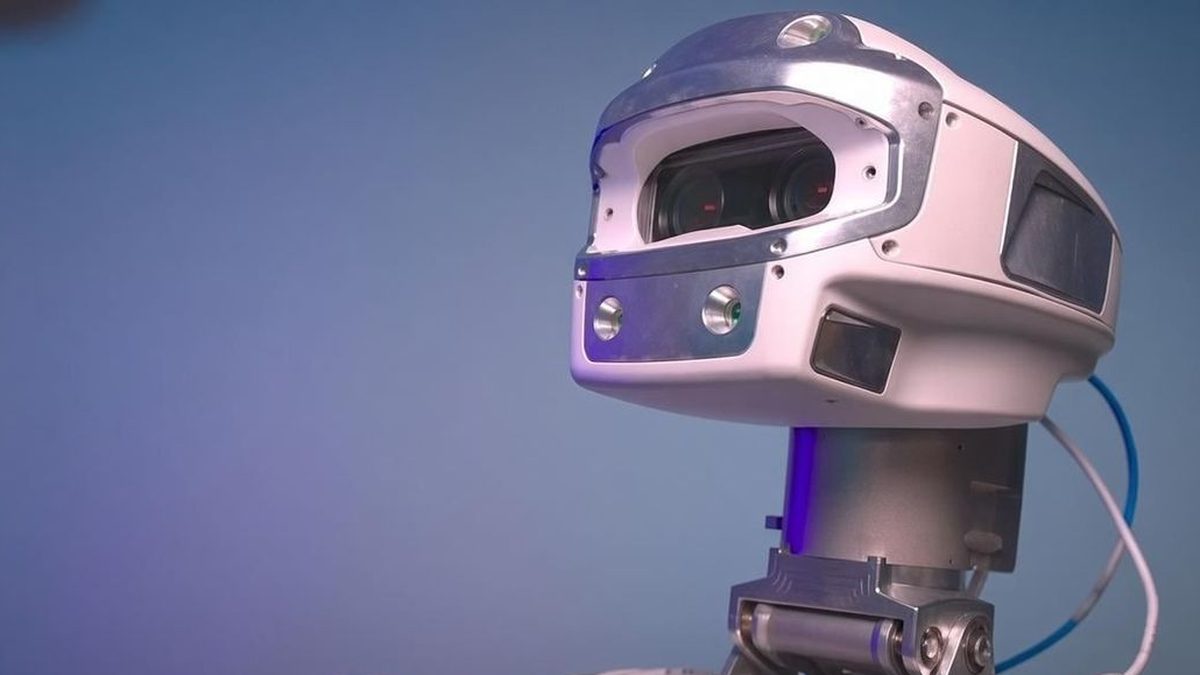
Progress MS-36 docked at the station's Rassvet module on November 26, delivering the torso robot for spacewalk-assistance trials.
The Roscosmos cargo spacecraft Progress MS-36, which NASA calls Progress 97, docked with the International Space Station at 7:08 a.m. EST on Thursday, November 26, linking up with the Earth-facing port of the Rassvet module about 49 hours and 50 minutes after launching from Baikonur Cosmodrome. NASA confirmed the docking on its space station blog, noting the uncrewed freighter arrived about three minutes ahead of schedule and will remain attached for about eight months.
The berth differs from the pre-flight plan, which had the freighter docking at the Poisk module; NASA's report names Rassvet instead. Aboard the freighter is Teledroid, the torso robot built by NPO Android Technics to help cosmonauts with work outside the station. Roscosmos lists the robot in the cargo manifest, along with a support platform for mounting it on the outside of the Nauka module. NASA's docking announcement does not mention Teledroid.
Teledroid weighs about 105 kilograms and has a head and two arms, with no legs: it is built to be moved into place and fixed to a worksite, rather than to walk. A cosmonaut inside the station will control it by wearing an exoskeleton that copies their movements, while watching through virtual-reality goggles. The robot can also run on its own or take voice commands, and in supervisory mode it uses machine vision to pick up and hand over tools. The point is to cut the time crews must spend outside the station.
The test program runs in three stages: a virtual model, work inside the station, then the exterior. Cosmonauts Pyotr Dubrov and Anna Kikina are to install Teledroid outside the Nauka module during a spacewalk, using the European Robotic Arm. The program calls for about 40 test sessions. The freighter carried about 2,427 kilograms of cargo in total, including food, fuel and supplies for the Expedition 75 crew. Teledroid has not yet worked in orbit, and its capabilities remain unproven until the first tasks are attempted.