South Korea will hand out 200 humanoids — but its budget office warns the AI brains are not ready
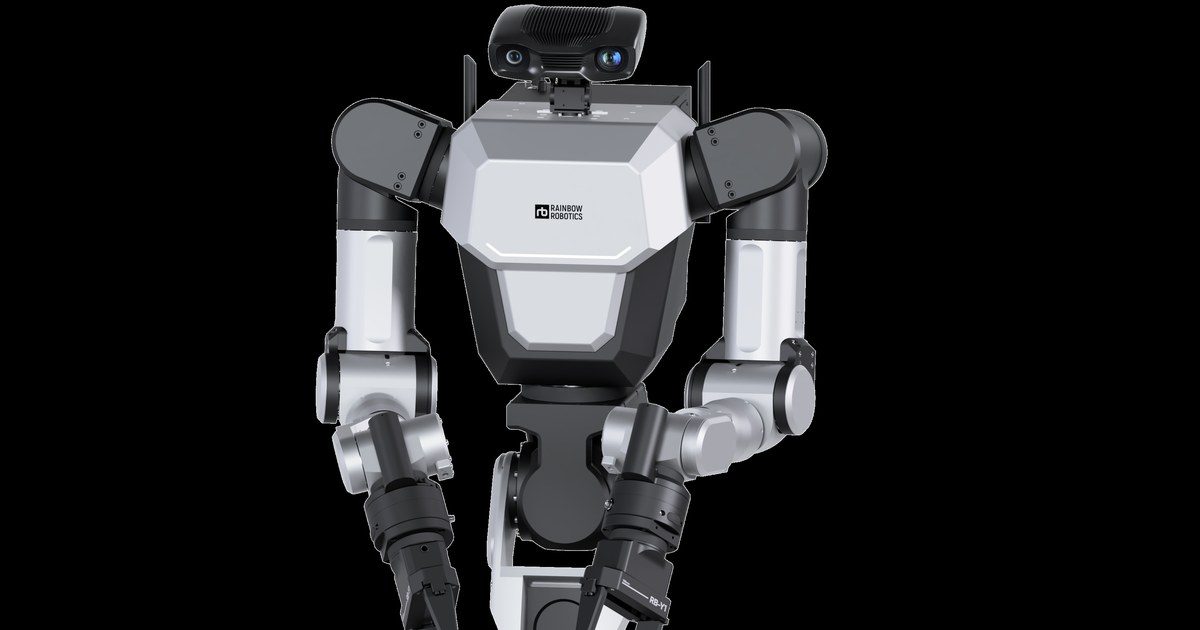
A 30 billion won program will put domestic robots in universities, while the budget office flags the missing homegrown robot foundation model.
South Korea plans to hand out 200 humanoid robots to universities and government-funded research institutes starting next year, a 30 billion won ($22.5 million) program meant to seed demand for the country's own humanoid industry. The National Assembly Budget Office disclosed the plan in a report on November 3: total investment is expected to reach 126 billion won by 2030, covering 840 robots.
Each robot carries a subsidy of 150 million won, split between 130 million won for the hardware platform, sensors and robotic hands and 20 million won for software integration. The government wants domestic machines in labs for research and teaching, and it wants the program to train the engineers who will build the next generation.
The budget office's warning is blunt: South Korea has no domestic robot foundation model, the AI software that acts as a humanoid's brain. The country's universities and research labs currently run Chinese hardware with American or open-source software, and there are no practical examples of domestic humanoids in use. Even if distribution starts next year, early research and teaching will still lean on foreign technology.
Seoul is also funding the missing piece, with 9.449 billion won earmarked for domestic robot foundation model development by the end of 2028. The budget office urged the government to tie the two efforts together, warning that pushing hardware out first without matching software progress risks never achieving self-sufficiency in the models that make the robots useful.
The distribution plan sits inside a wider 2.3 trillion won humanoid program announced in August, which runs through 2030 and includes a national data factory for training humanoids that opened in Daejeon this week.