Bedrock Robotics raises $600 million Series C at $4.1 billion valuation to scale autonomous excavators
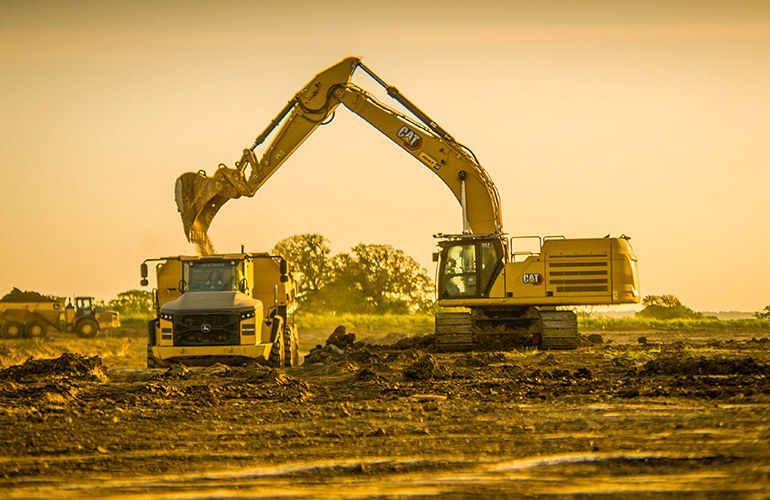
Bedrock Robotics has raised $600 million at a $4.1 billion post-money valuation to expand fully autonomous excavators on live construction sites.
San Francisco-based Bedrock Robotics has raised $600 million in a Series C round that values the company at $4.1 billion post-money. The round, announced October 26, was co-led by CapitalG, Alphabet's growth fund, and Emergence Capital. New investors US Innovative Technology Fund, Bessemer Venture Partners and Temasek joined existing backers 8VC, Georgian, Valor Equity Partners, Xora, Eclipse, Perry Creek Capital and NVIDIA. The round brings Bedrock's total raised to nearly $1 billion, more than doubling the $1.75 billion post-money valuation of its February 2026 Series B, when it raised $270 million.
Bedrock, founded in 2024, is trying to move Waymo-style autonomy from the road to the construction site. Instead of selling a new machine, it sells a retrofit autonomy kit, called Bedrock Operator, that lets contractors' existing heavy equipment work autonomously, starting with excavators. Chief executive and co-founder Boris Sofman previously led Waymo's self-driving trucks program and co-founded Anki Robotics. His co-founders include Waymo veterans Kevin Peterson, the chief technology officer, and Ajay Gummalla, plus Tom Eliaz.
The funding follows a commercial milestone in mid-August, when fully autonomous excavators began paid work on live commercial sites. Those sites include a water treatment facility in Nevada, a Champion Site Prep earthwork site in Texas, and a 1.2 million-cubic-yard Zachry Construction civil sitework project. Bedrock has also partnered with contractor Haydon on autonomous earthwork in Texas. Paid work on active sites, rather than closed test grounds, is the point the company has been building toward since it came out of stealth.
Bedrock plans to use the new capital to expand deployments with more contractors and to build the field and operational infrastructure needed to support machines day to day. The pitch is practical: construction crews are hard to hire and keep, and a retrofit lets an existing fleet take on more work without replacing the machines themselves. If autonomous excavators hold up on live sites at scale, the bottleneck shifts from proving the technology to running it reliably, site after site, for customers who cannot afford downtime.