ATOM Secures ¥4.5 Billion in Bank Credit to Scale Humanoid Production
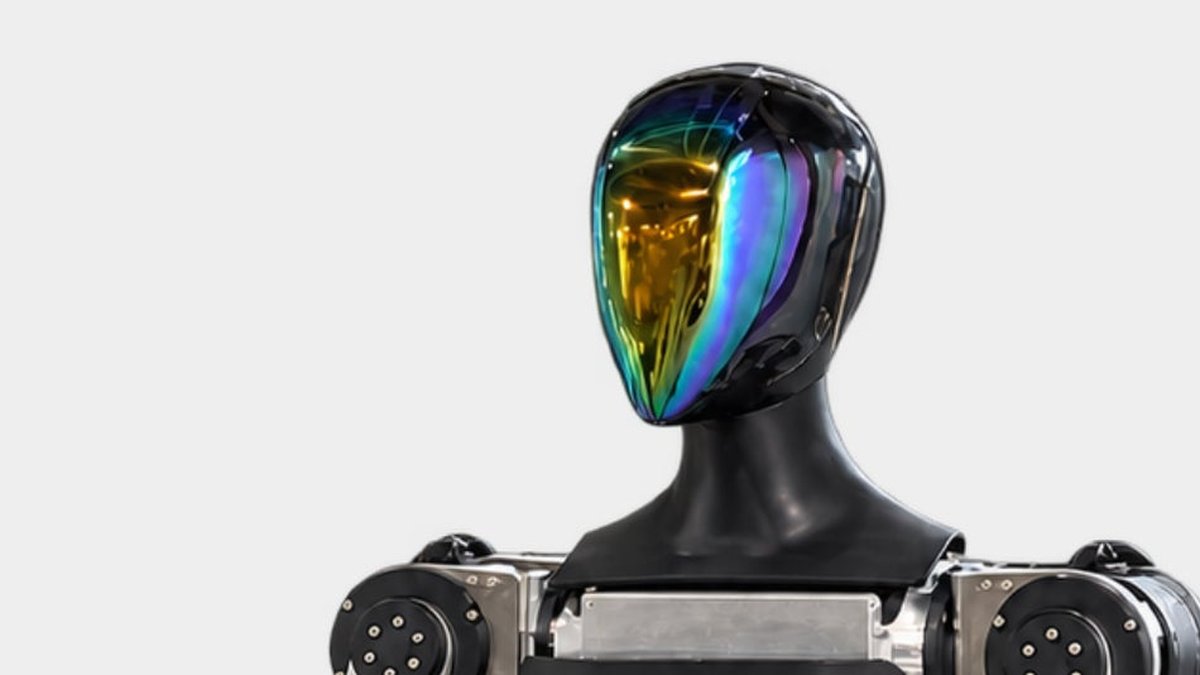
The Tokyo startup will build its own GPU cluster and prepare its bipedal humanoid for volume production.
ATOM, a Tokyo humanoid startup founded in November 2025, has lined up ¥4.5 billion (about $28.3 million) in loan facilities from Japan's three largest banks to fund its push toward volume production. The company announced the agreements on November 24, Japan time, with Mizuho Bank, Sumitomo Mitsui Banking Corp. and Mitsubishi UFJ Bank.
The facilities break down as ¥2 billion from Sumitomo Mitsui, ¥1.5 billion from Mizuho and ¥1 billion from Mitsubishi UFJ. The figures are borrowing limits, not money already drawn, and the Mizuho facility replaces an August agreement of the same size on revised terms, so the new capacity is smaller than the headline total suggests.
ATOM will use the credit to build an on-premises GPU cluster to train and test the physical AI models that handle perception, decision-making and movement for its robots, and to stand up the design, procurement, assembly and inspection chain for volume production. The company is targeting 200 humanoid deliveries a year in 2027 and 10,000 a year by 2030.
The startup builds both sides of its system in-house: a dual-arm bipedal humanoid and the physical AI foundation model that controls it. It opened a data facility, the Physical AI Foundry, in Tokyo's Toyosu district in August, where it collects and generates real-machine training data, with a goal of 200 robots running continuously and 300,000 cumulative hours of training data by the end of 2027. ATOM previously raised a ¥3 billion seed round in May, co-led by ANRI, Beyond Next Ventures and JAFCO.
The financing lands as Japan tries to close a humanoid gap with China and the United States. ATOM's pitch is vertical integration plus Japanese manufacturing depth: its president, Shunsuke Aoki, said the company wants to supply robots to workplaces facing labor shortages and tie each installation to measurable results. The open question is execution, turning borrowing capacity into safe, repeatable deployments while the data operation and the factory ramp up at the same time.