Amazon Is Building a New Home Robot After Astro — This Time With a Humanoid
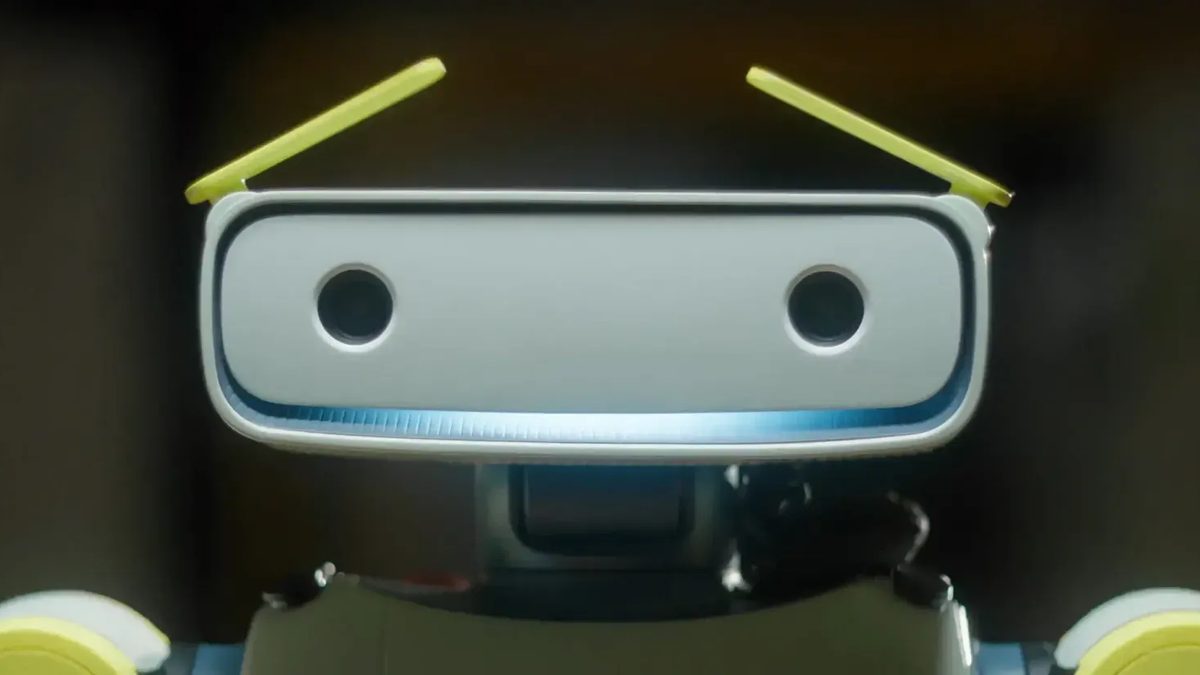
Amazon has assembled a new home robotics team and is hiring for a “new-to-world robot product,” built on its March acquisition of Fauna Robotics.
Amazon is trying again at a home robot. Over the past several months, the company has assembled a new team and is hiring for a “new-to-world robot product,” according to an analysis of job postings published on November 8. The effort builds on an acquisition from March: Fauna Robotics, the New York startup behind Sprout, a 3.5-foot-tall humanoid now folded into a new Amazon division called the Personal Robotics Group.
The job listings sketch the ambition. One since-removed engineer posting said robots are “about to step out of the movies and into our homes,” describing a machine that navigates “dynamic home environments” and operates on its own “alongside family members.” A June posting called for robots that are “not just functional, but delightful.” An October listing for a field support engineer covers customer support and on-site repair, while a user-experience designer posting asks for someone to “define what it feels like to live with a Fauna robot.”
What the robot will actually be is still open. Amazon has announced no product, no price and no launch date, and it is unclear what tasks the machine would handle. Sprout was designed to be “friendly and capable,” with expressive yellow eyebrows, and has so far been used mainly by developers and by commercial and academic researchers. Amazon may adapt Fauna’s machines for homes, or for businesses.
The context is Astro, Amazon’s first home robot. Conceived after Jeff Bezos told device executives in 2017 to build a home robot, Astro arrived in fall 2021 as a $1,450 Alexa-equipped device on wheels that could navigate a home, recognize faces and patrol as a roving security monitor. It never left invite-only sales, shipped to only a few thousand customers, and a business version launched in 2023 was discontinued within a year. Much of the Astro team has been redeployed to the new effort this year, and an MIT roboticist has joined the project.
Amazon spokesperson Brad Glasser said the company bought Fauna because it is “committed to tackling the challenges that can unlock the personal robotics category,” adding that Amazon is “optimistic about a future where personal robots are helping people in meaningful ways in everyday life.” He also acknowledged the gap between what works in a controlled lab and what works in a living room.
The timing reflects a wider shift. Advances in AI models, sensors, batteries and actuators have pushed a new wave of humanoid development: Tesla has worked on Optimus since 2021, and Apptronik, Boston Dynamics, Unitree, Figure and 1X are building humanoids of their own. Barclays estimated in January that the global humanoid market, worth $2 billion to $3 billion today, could reach roughly $40 billion by 2035. Venture funding for robotics and physical AI reached $33.4 billion in the first half of 2026, already above the $28.7 billion of all of 2025, according to PitchBook data.