Trump declares imported robots a security risk, orders talks instead of tariffs
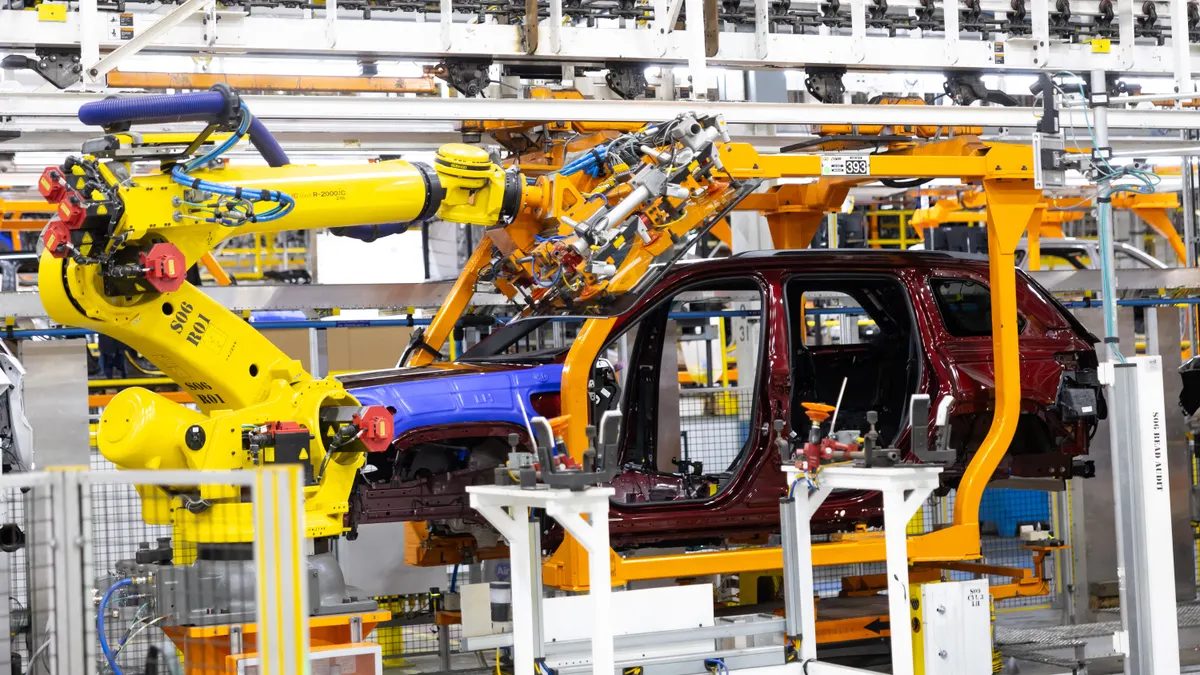
President Trump signed a Section 232 proclamation finding imported robotics a national security risk, ordering trade talks instead of tariffs.
The United States has formally declared imported robotics a national security concern, but stopped short of taxing them. In a proclamation signed on October 28, President Donald Trump concurred with a Commerce Department finding that robotics, industrial machinery, and their parts are being imported in quantities and under circumstances that threaten to impair national security, under Section 232 of the Trade Expansion Act of 1962. Instead of imposing tariffs, the proclamation directs the Commerce Secretary and the United States Trade Representative to jointly negotiate agreements with trading partners and to report back on progress within 180 days, putting the next decision point in late April 2027.
Humanoids are named in the document itself, not just swept into a general machinery category. The proclamation lists advanced robots, including humanoid and quadruped robots and autonomous ground vehicles, among systems that provide combat support to the military, citing intelligence, surveillance, and reconnaissance missions and dangerous work such as casualty extraction and mine detection and clearing. It also puts the sector at the center of the civilian economy, noting that robotics and industrial machinery support production across all 16 critical infrastructure sectors and were tied to about USD 7.1 trillion in manufactured-goods shipments and about USD 86 billion in equipment production in 2024. The finding argues the United States produces less robotics and industrial equipment than it consumes, and warns that equipment sourced from certain foreign entities can carry cybersecurity risks because it routinely processes and stores sensitive data.
What the proclamation does not do matters as much as what it does. It sets no tariff rate, names no country, and imposes no quota or fee. Tariffs, duties, quotas, and fees remain explicitly on the table as future remedies if negotiations are not reached within 180 days, are not carried out, or prove ineffective, and the proclamation also floats a program to incentivize new investment in domestic production. The investigation behind it began in September 2025, and the move follows the Federal Communications Commission's July action adding foreign-produced advanced robotic devices to its Covered List, making this the second major American import action touching robots in about three months.
For humanoid makers and buyers, the practical effect is a waiting period with a loaded deadline. Until the 180-day update, import costs do not change under this proclamation, but any company whose robots or components cross borders now has a named policy risk with a calendar date attached. The questions to watch are which trading partners the negotiations cover, whether they produce an agreement, and whether the administration then reaches for tariffs or for the domestic-production incentives it also mentioned. Either path would reshape the cost of building and buying robots in the United States.