Tesla's new Roadster steers its rear wing with Optimus robot actuators
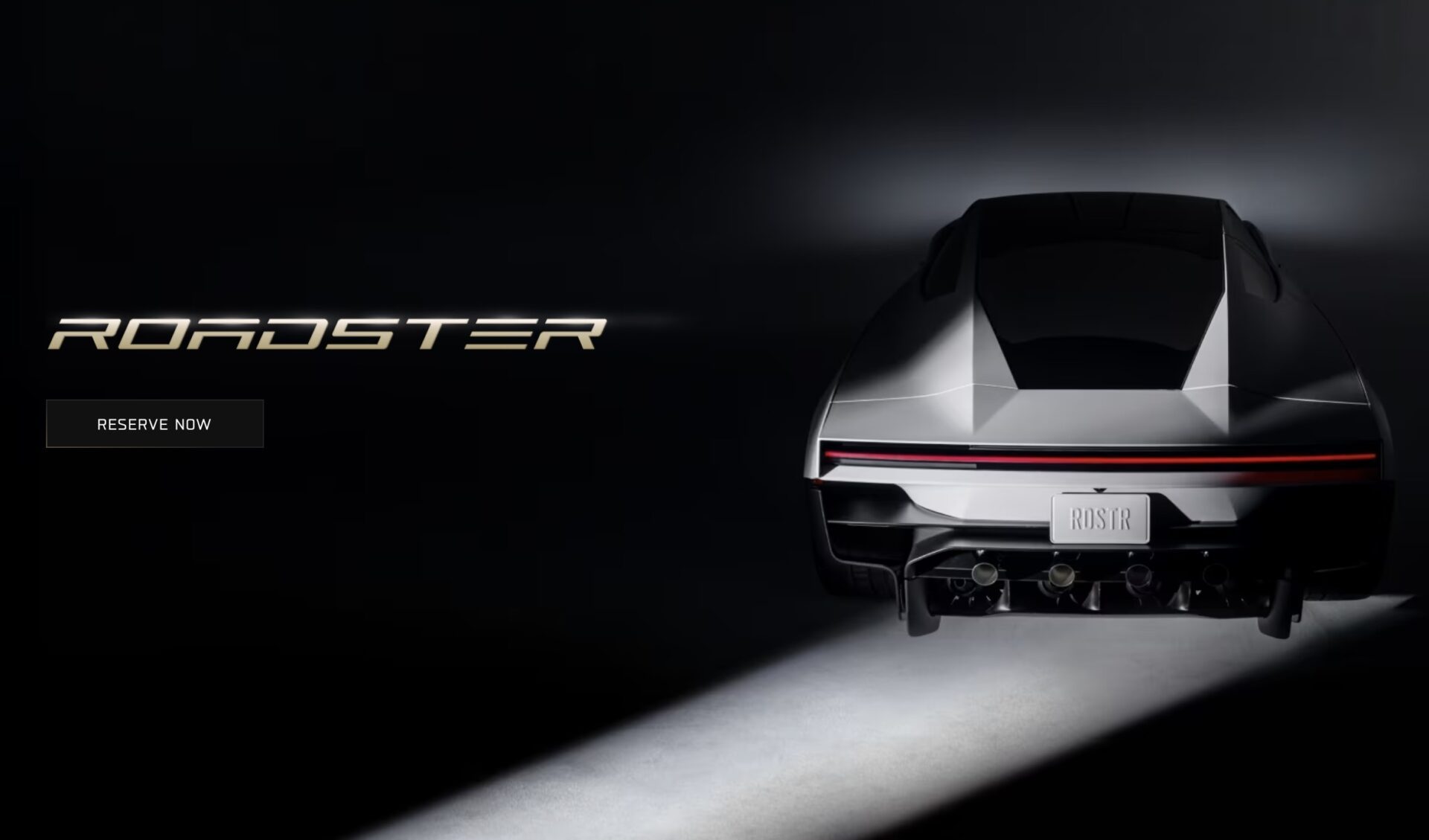
Track Mode moves the Roadster's variable-pitch wing using the Optimus actuator system; Tesla claims a 0.81-second 0-60 run at the McGregor reveal.
Tesla unveiled its redesigned Roadster on October 15 at a SpaceX test site in McGregor, Texas, in a livestream that leaned hard on spectacle: the car jumped over Tesla's full lineup on cold-gas thrusters, drove upside down on a curved ramp using a fan-suction system, and — Tesla said — hit 0 to 60 mph in 0.81 seconds. Musk told the crowd the car would “be the only manually driven car Tesla makes,” as the company continues toward autonomy.
The robotics connection is not just thematic. Tesla confirmed that in Track Mode the Roadster's adjustable rear wing is actuated by the Tesla Optimus actuator system, with its angle changing automatically to balance downforce and drag. It is the clearest sign yet that hardware developed for the humanoid program is flowing back into Tesla's vehicles — actuators first, at least on a halo product.
The car comes in three configurations — Performance, Thrust and Rocket — with Tesla's stated 0-60 times under 1.6, 0.9 and 0.59 seconds respectively, over 300 miles of range and a 230-plus-mph top speed for the Rocket trim. The Rocket's SpaceX-derived thrusters deliver about 80 kilonewtons of thrust from compressed air, and the fan-suction underbody system is said to generate more than two g's of cornering grip. The thruster trim is explicitly not approved for public roads, and production is targeted for 2028 — with reservations reopened at a $50,000 refundable deposit. No final price was announced.
All of the headline numbers are Tesla's own claims from the event, not independently verified. The 0.81-second figure came from the event's own timer, and Musk himself suggested they could go quicker. What is verifiable is the engineering direction: suction-based downforce, thruster-assisted maneuvering and steer-by-wire controls push the car toward aerospace territory — and the Optimus actuator crossover hints that Tesla's humanoid program is already paying hardware dividends beyond robots.