Samsung and SK Hynix call humanoids the memory industry's next growth engine
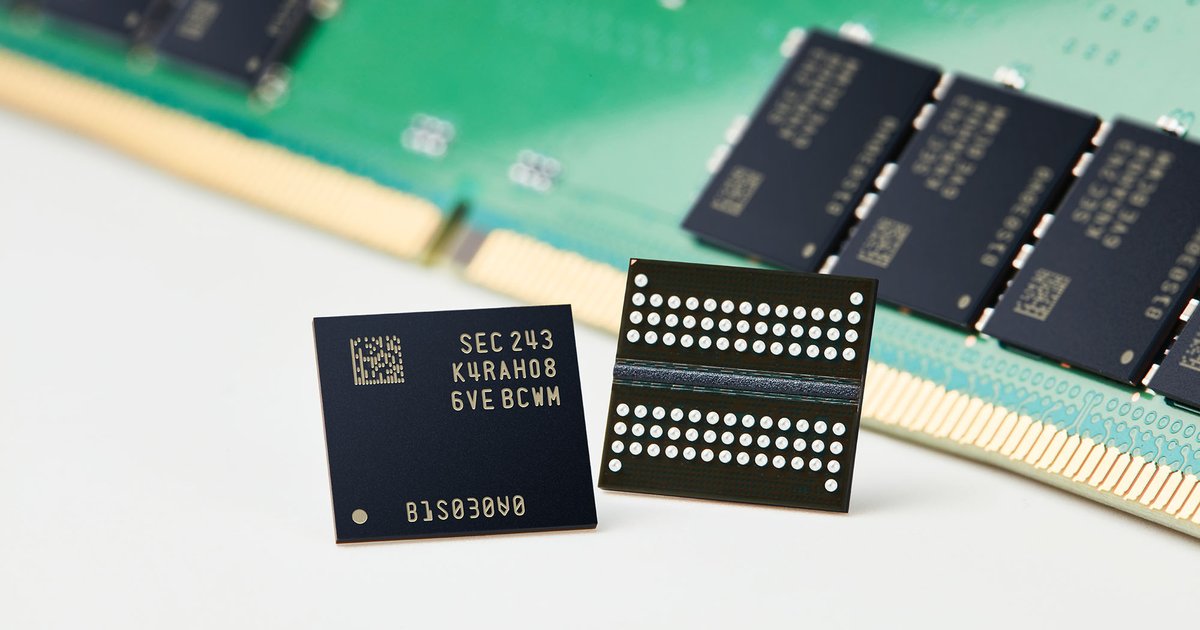
Memory demand from AI-powered robots could jump 20-fold by 2030, with Korean chipmakers naming humanoids their next growth engine.
Samsung Electronics and SK Hynix now describe humanoid robots as the memory chip industry's next major growth engine — the successor to the AI data-center boom that turned high-bandwidth memory into a strategic asset. Projections cited in the report put memory demand from AI-powered robots jumping 20-fold by 2030, driven by rising per-unit capacity and the shift of compute to the edge.
The warning signs have been building for weeks. In late September, Micron told investors that a single humanoid could need more than 200GB of DRAM and multiple terabytes of NAND storage, framing physical AI as a major driver of storage demand by the end of the decade. Days later, Elon Musk disclosed that Tesla had halved the memory on its AI5 chip to 72GB and trimmed AI6 to 144GB, calling it the only way to guarantee supply for Optimus — an admission that memory allocation, not just raw compute, is becoming a binding constraint on humanoid programs.
The competitive scramble is already visible in the DRAM rankings. Micron captured 24% of global DRAM revenue in the second quarter, closing to within a single percentage point of SK Hynix after trailing by seven points just one quarter earlier, as surging AI demand lifted memory revenue across the board.
The bigger signal is how crowded the arena has become: all ten of the world's largest listed companies by market value have now entered the robotics race, pitting Big Tech, chipmakers, and automakers against each other. The contest is no longer only about who builds the most capable robot — it is increasingly about who secures the memory to run it.